
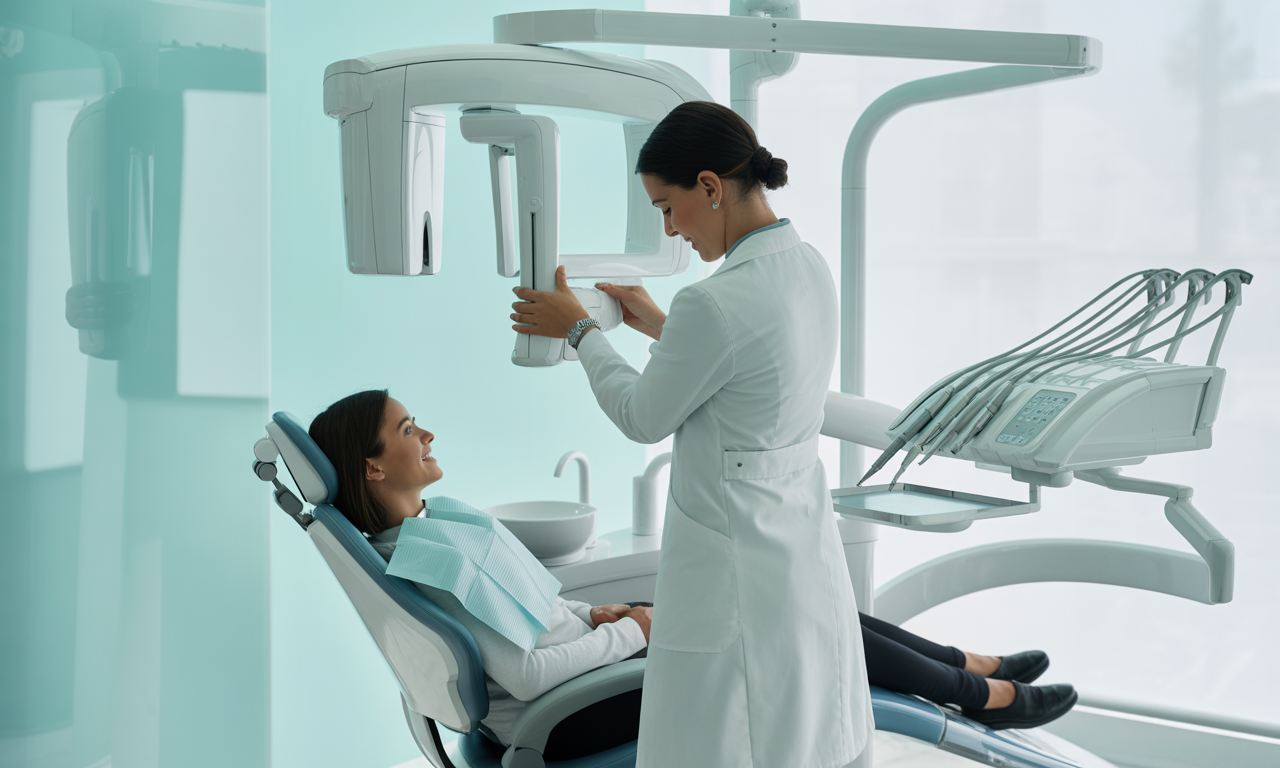
When patients hear the word “X-ray,” it’s natural to feel a bit concerned. Questions about radiation exposure, necessity, and safety often arise. However, dental X-rays are one of the most important tools in preventive dental care. With today’s advanced imaging technology, X-rays are not only safe—they’re essential for detecting issues that aren’t visible to the naked eye. In this article, we’ll explain how they work, why they matter, and when you need them.
TLDR Quick Guide
- Dental X-rays are essential for diagnosing hidden oral health issues
- Modern digital X-rays use extremely low radiation levels
- They help detect cavities, bone loss, infections, and impacted teeth
- Most patients need X-rays annually or as recommended by their dentist
- The benefits of early diagnosis far outweigh the minimal risk
What Are Dental X-Rays?
Dental X-rays are diagnostic imaging tools that allow your dentist to see beneath the surface of your teeth, gums, and jawbone. They provide detailed images of areas that can’t be evaluated with a standard visual exam, helping to identify:
- Tooth decay between teeth
- Bone loss due to gum disease
- Infections at the root of teeth
- Impacted teeth or developing wisdom teeth
- Cysts, tumors, or abscesses
Are Dental X-Rays Safe?
Yes—modern dental X-rays are extremely safe. Here’s why:
1. Low Radiation Exposure
Digital X-rays, which are now standard in most practices, use up to 90% less radiation than traditional film X-rays.
2. Targeted Imaging
Dentists use localized imaging to capture only the areas needed—further minimizing exposure.
3. Protective Gear
Patients are provided with lead aprons and thyroid collars to shield sensitive areas during the procedure.
4. Regulated Frequency
Dentists follow ADA and FDA guidelines for X-ray frequency, tailoring recommendations to each patient’s individual health needs and history.
Why Are Dental X-Rays Important?
Dental issues often begin silently—with no pain, swelling, or visible signs. X-rays are vital for early detection, which leads to:
1. Preventing Bigger Problems
By catching decay, infection, or bone loss early, your dentist can:
- Treat issues before they spread
- Avoid the need for more complex, expensive procedures
- Preserve natural teeth longer
2. Personalized Treatment Planning
X-rays help plan:
- Fillings, crowns, and bridges
- Root canals
- Dental implants or extractions
- Orthodontic treatments (e.g., clear aligners)
3. Monitoring Growth and Development
In children and teens, X-rays track:
- Tooth eruption patterns
- Jawbone growth
- Orthodontic needs
How Often Should You Get Dental X-Rays?
The frequency depends on your age, oral health, and dental history. General guidelines:
| Patient Type | Frequency |
| New patients (with history) | Full set on first visit |
| Low-risk adults | Every 12–24 months |
| High-risk adults | Every 6–18 months |
| Children and teens | Every 6–12 months (if needed) |
Your dentist will customize a schedule that balances safety with diagnostic value.
Types of Dental X-Rays
- Bitewing: Shows upper and lower teeth in one area—ideal for detecting decay
- Periapical: Captures the whole tooth from crown to root—used for root canals or abscesses
- Panoramic: A full mouth view—used for wisdom teeth, jaw issues, or large-scale planning
- Cone Beam CT: 3D imaging for surgical planning or complex diagnostics
Key Takeaways
- Dental X-rays are critical for detecting hidden problems and planning accurate treatment
- Modern digital technology has made X-rays safer than ever
- Protective gear and low-frequency usage further reduce risks
- Early diagnosis via X-rays helps preserve your oral and overall health
- Your dentist will only recommend X-rays when truly necessary
FAQs
Are dental X-rays safe during pregnancy?
Yes, with proper shielding. However, dentists often postpone non-urgent X-rays during the first trimester unless necessary.
Can children get dental X-rays safely?
Absolutely. Pediatric X-rays use even lower radiation and are essential for tracking tooth development.
Will I feel anything during a dental X-ray?
No. The process is painless and takes just a few seconds.
Do I need to prepare before getting dental X-rays?
No special prep is needed. Just inform your dentist if you’re pregnant or have any concerns.
How long are dental X-rays kept on file?
Dental records, including X-rays, are typically retained for at least 5–7 years.