
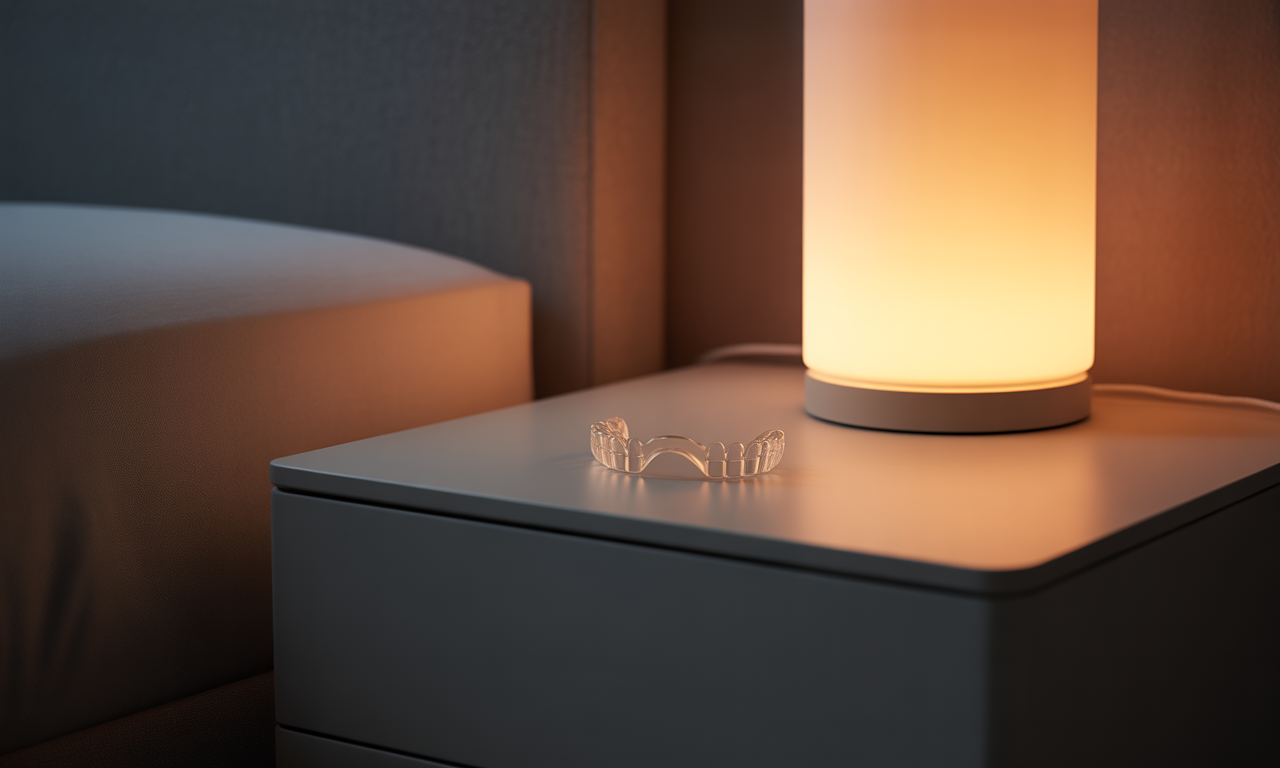
Do you wake up with jaw pain, headaches, or tooth sensitivity? You might be suffering from bruxism, a common but often overlooked condition where you unconsciously grind or clench your teeth—especially at night. Over time, bruxism can seriously damage your teeth and oral health if not properly managed. In this guide, we’ll break down the causes, symptoms, and treatment options to help you protect your smile.
TLDR Quick Guide
- Bruxism is involuntary teeth grinding or clenching, often during sleep
- It can cause tooth wear, jaw pain, headaches, and cracked teeth
- Stress, bite misalignment, and sleep disorders are common causes
- Mouthguards and stress management are key treatments
- Early intervention helps prevent long-term damage
What Is Bruxism?
Bruxism is the medical term for involuntary grinding or clenching of teeth. It can occur while awake (awake bruxism) or during sleep (sleep bruxism), with sleep bruxism being more damaging due to its intensity and frequency.
It affects both adults and children and often goes unnoticed until symptoms become painful or visible.
How Bruxism Affects Your Oral Health
1. Worn or Flattened Teeth
Constant grinding wears down the enamel, leading to:
- Shortened or chipped teeth
- Increased sensitivity to hot or cold
- Aesthetic changes in your smile
2. Jaw Pain and TMJ Issues
Bruxism puts pressure on the temporomandibular joint (TMJ), causing:
- Jaw stiffness or clicking
- Muscle soreness in the face, neck, and shoulders
- Difficulty opening or closing your mouth fully
3. Cracks and Fractures
The intense force from clenching can lead to:
- Small hairline cracks in enamel
- Broken fillings or crowns
- Full tooth fractures in severe cases
4. Gum Recession and Tooth Mobility
Prolonged pressure on teeth may also affect the surrounding structures, potentially leading to:
- Gum recession
- Loosened teeth
- Increased risk of periodontal issues
5. Disrupted Sleep and Headaches
Sleep bruxism may interfere with restful sleep, causing:
- Morning headaches
- Tension behind the eyes or at the temples
- Fatigue from fragmented sleep cycles
Common Causes of Bruxism
- Stress and anxiety (most common triggers)
- Misaligned bite (malocclusion)
- Sleep disorders, like sleep apnea
- Caffeine or alcohol overuse
- Certain medications, such as antidepressants
- Lifestyle habits, including nail-biting or chewing pens
How to Know If You Have Bruxism
Signs and symptoms include:
- Grinding sounds noticed by a partner
- Worn-down or chipped teeth
- Jaw pain upon waking
- Tooth sensitivity with no visible decay
- Indentations on the tongue or cheek biting
Your dentist can diagnose bruxism through a clinical exam and bite assessment.
Treatment Options for Bruxism
1. Custom Nightguards
Worn while sleeping, nightguards:
- Cushion the teeth
- Reduce pressure on the jaw
- Prevent enamel wear and cracking
They are custom-made for a perfect fit and better protection than over-the-counter options.
2. Stress Management
Since stress is a major contributor, techniques like:
- Meditation
- Cognitive-behavioral therapy (CBT)
- Breathing exercises
can reduce bruxism episodes over time.
3. Bite Adjustment or Orthodontics
If a misaligned bite is the root cause, your dentist may recommend:
- Bite equilibration
- Orthodontic treatment (e.g., clear aligners)
- Restorative work to balance occlusion
4. Botox® for Bruxism
Botox injections in the masseter muscle can help relax overactive jaw muscles and reduce grinding intensity—especially in severe or chronic cases.
Key Takeaways
- Bruxism causes more than just tooth wear—it can impact your jaw, sleep, and overall health
- Symptoms include jaw pain, sensitive teeth, worn enamel, and morning headaches
- Custom nightguards and stress reduction are highly effective treatments
- Early detection prevents serious dental complications
- Regular dental exams are essential for diagnosing and managing bruxism