
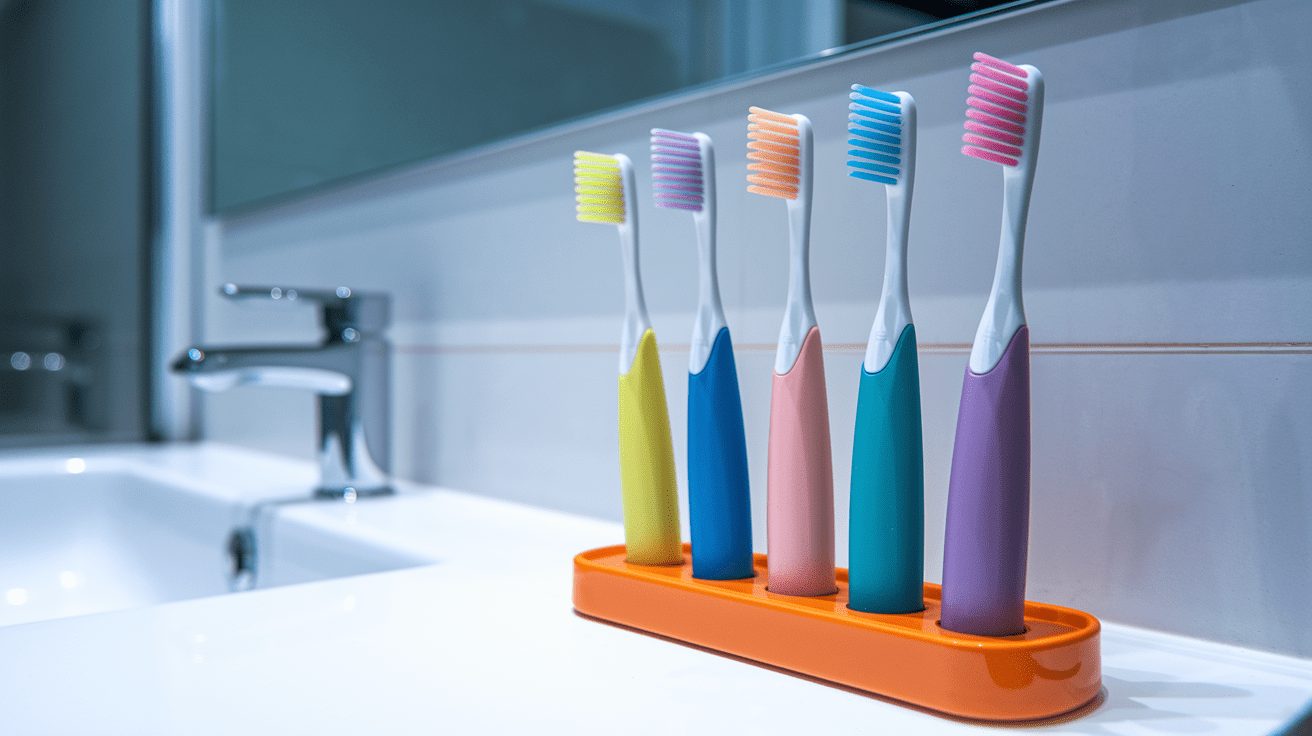
Your toothbrush is your first line of defense against cavities, gum disease, and bad breath. But like any tool, it has a shelf life. Using a worn-out brush can do more harm than good—even if you’re brushing twice a day. So let’s answer the question once and for all: how often should you replace your toothbrush?
At Asta Dental, we’re all about proactive care—and that starts at home. Here’s everything you need to know about toothbrush replacement and how it affects your long-term oral health.
TLDR – Quick Guide
- Replace your toothbrush every 3 months—or sooner if bristles are frayed.
- Worn brushes clean less effectively and can irritate your gums.
- After illness or infection, switch to a new toothbrush immediately.
- Choose a soft-bristled brush with a head size appropriate for your mouth.
The 3-Month Rule: Why It Matters
The American Dental Association (ADA) recommends replacing your toothbrush every 3 to 4 months. Why? Because:
- Bristles wear down and become less effective at removing plaque.
- Frayed bristles can damage gums and enamel.
- Bacteria build up on the handle and head over time.
Even if your brush looks “fine,” its cleaning power can decline significantly after regular use.
Signs You Need a New Toothbrush
Not all toothbrushes come with a calendar reminder—so here’s what to watch for:
- Bristles are bent, frayed, or flattened
- Brush feels rough or abrasive on your gums
- Unpleasant odor or discoloration
- You’ve been sick (cold, flu, or oral infection)
- You dropped it on the floor or in the toilet (yes, it happens)
Pro Tip: Write the replacement date on your toothbrush when you open it, or set a reminder on your phone every 90 days.
Toothbrush Types: Manual vs. Electric
Manual Brushes
- Replace every 3 months
- Sooner if bristles show wear or after illness
Electric Brush Heads
- Replace every 2 to 3 months
- Bristles wear faster due to higher vibration frequency
- Follow manufacturer guidelines for your specific model
How Toothbrush Replacement Affects Oral Health
Brushing with a worn-out toothbrush:
- Leaves behind more plaque and bacteria
- Increases your risk of gum inflammation and bleeding
- Can lead to ineffective fluoride application from toothpaste
- Feels uncomfortable—leading to shorter brushing sessions
At Asta Dental, we see the difference it makes. Patients who maintain fresh brushes typically have healthier gums, cleaner enamel, and fewer cavities.
Best Practices for Toothbrush Hygiene
- Rinse your brush thoroughly after each use
- Store it upright and let it air dry (don’t use closed containers)
- Never share your toothbrush
- Don’t “sanitize” it in the microwave or dishwasher—this can damage the bristles
Key Takeaways
- Replace your toothbrush every 3 months or at the first sign of wear.
- Switching after illness helps prevent reinfection and promotes healing.
- Electric brush users should replace brush heads every 2–3 months.
- Proper toothbrush maintenance supports long-term oral health and hygiene.
- Asta Dental recommends keeping backup brushes on hand so you’re always ready for a fresh start.
FAQs
- Is it bad to use a toothbrush for more than 3 months?
Yes. After 3 months, the bristles become less effective, and bacteria buildup can increase your risk of gum problems. - What if I can’t tell if my bristles are worn?
Err on the side of caution and replace it. Some toothbrushes have wear indicators that fade with use. - Should I replace my toothbrush after being sick?
Absolutely. Germs can linger on the bristles, increasing the chance of reinfection. - Can a toothbrush damage my gums?
Only if it’s too hard, worn out, or if you brush aggressively. Choose soft bristles and replace your brush on schedule. - Does Asta Dental provide toothbrush recommendations?
Yes. We’re happy to suggest manual or electric brushes based on your oral health needs, and we offer samples at your next visit.