
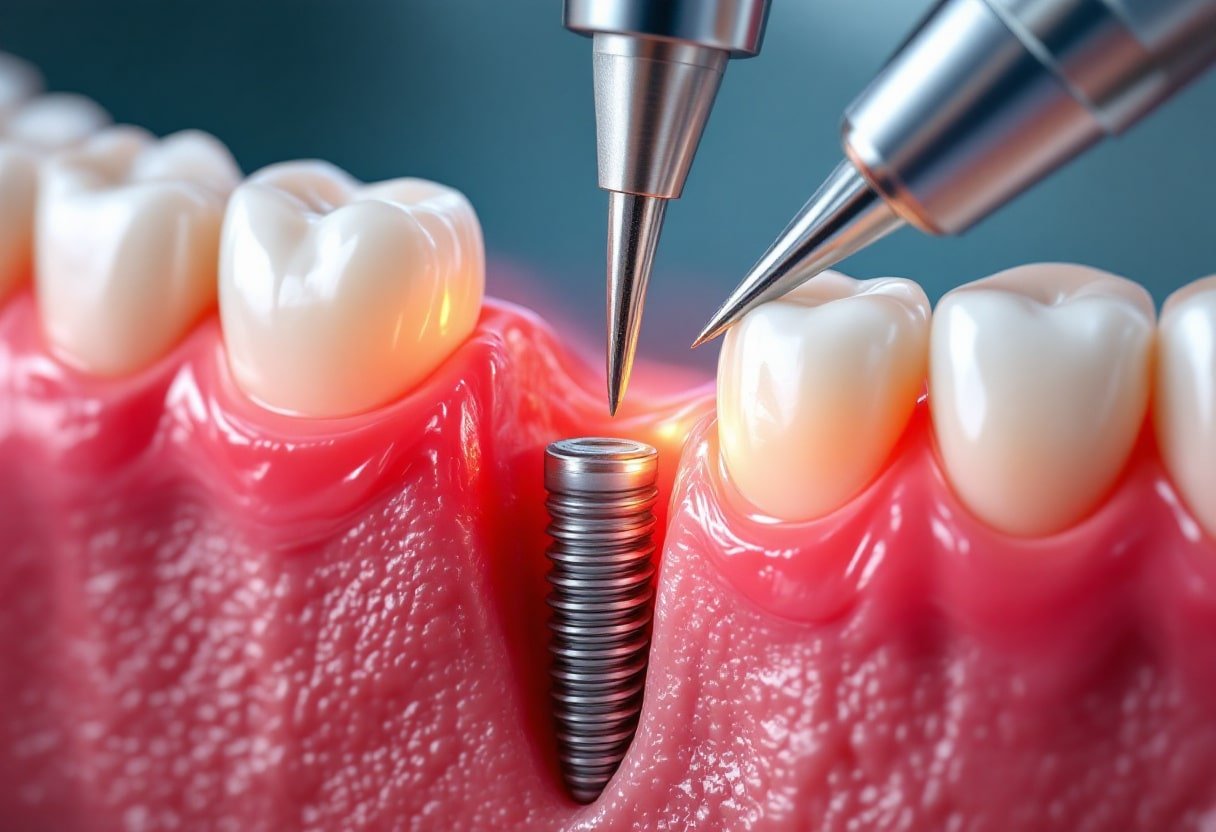
Dental implants have become a popular solution for replacing missing teeth, but many misconceptions prevent people from considering them. Misinformation about pain, cost, and eligibility can lead to unnecessary hesitation. In this guide, we’ll separate fact from fiction and clarify the real benefits of dental implants.
TL;DR: Quick Guide
- Dental implants are not painful—modern techniques make the procedure comfortable.
- They last a lifetime with proper care, making them a great long-term investment.
- Implants are safe for most people, including seniors and those with missing teeth.
- They do not require excessive maintenance, just regular oral hygiene.
- The cost is higher upfront, but implants save money over time by preventing future dental problems.
1. Myth: Dental Implants Are Painful
Fact: The procedure is surprisingly comfortable
- Local anesthesia and sedation make the implant placement virtually painless.
- Most patients experience mild discomfort similar to a tooth extraction.
- Pain medications and proper post-surgical care help with a smooth recovery.
2. Myth: Implants Are Only for Younger People
Fact: People of all ages can get implants
- Seniors and adults of all ages can benefit from dental implants.
- As long as there is sufficient bone density, implants can be placed successfully.
- Many older adults choose implants over dentures for better function and comfort.
3. Myth: Dental Implants Don’t Look Natural
Fact: Implants look and feel like real teeth
- Implants are designed to match the shape, color, and size of your natural teeth.
- They fuse with the jawbone, providing a natural appearance and strong support.
- No one will be able to tell the difference between an implant and a real tooth.
4. Myth: Dental Implants Are Too Expensive
Fact: They are a long-term investment
- While implants have a higher upfront cost, they last a lifetime with proper care.
- Alternatives like bridges and dentures require replacement every 5-10 years, adding long-term costs.
- Many dental offices offer financing options to make implants more affordable.
5. Myth: The Recovery Process Takes Too Long
Fact: Most patients heal faster than expected
- Initial healing takes about a few days to a week, with minor swelling.
- Full integration with the jawbone takes 3-6 months, but daily activities can continue normally.
- Patients can eat soft foods and return to work within a few days after surgery.
6. Myth: Dental Implants Require Special Maintenance
Fact: They only need regular oral hygiene
- Brushing, flossing, and regular dental check-ups are enough to maintain implants.
- Unlike dentures, there’s no need for adhesives or soaking overnight.
- With proper care, implants can last a lifetime.
7. Myth: You Can’t Get Dental Implants If You Have Bone Loss
Fact: Bone grafting can restore lost bone for implants
- If the jawbone is too thin, bone grafting can strengthen it for implant placement.
- Many patients who were initially told they weren’t candidates become eligible after grafting.
- A dental specialist can assess bone density and recommend the best approach.
Key Takeaways
- Dental implants are not painful—modern techniques ensure a comfortable experience.
- Anyone with missing teeth can be a candidate, regardless of age.
- Implants look and function like natural teeth, providing long-term benefits.
- The cost is justified by their durability and savings over time.
- Regular brushing and flossing are enough to maintain them.
FAQs
1. How long do dental implants last?
With proper care, dental implants can last a lifetime, making them one of the most durable tooth replacement options.
2. Can dental implants get cavities?
No, implants do not develop cavities, but the surrounding gums and natural teeth still need good oral hygiene.
3. Do dental implants feel different from natural teeth?
After healing, most patients don’t notice a difference—implants feel and function just like real teeth.
4. Can smokers get dental implants?
Yes, but smoking increases the risk of implant failure by slowing healing and affecting bone integration. Quitting smoking can improve success rates.
5. What happens if an implant fails?
Implant failure is rare, but if it happens, a new implant can usually be placed after healing. Regular check-ups help ensure long-term success.