
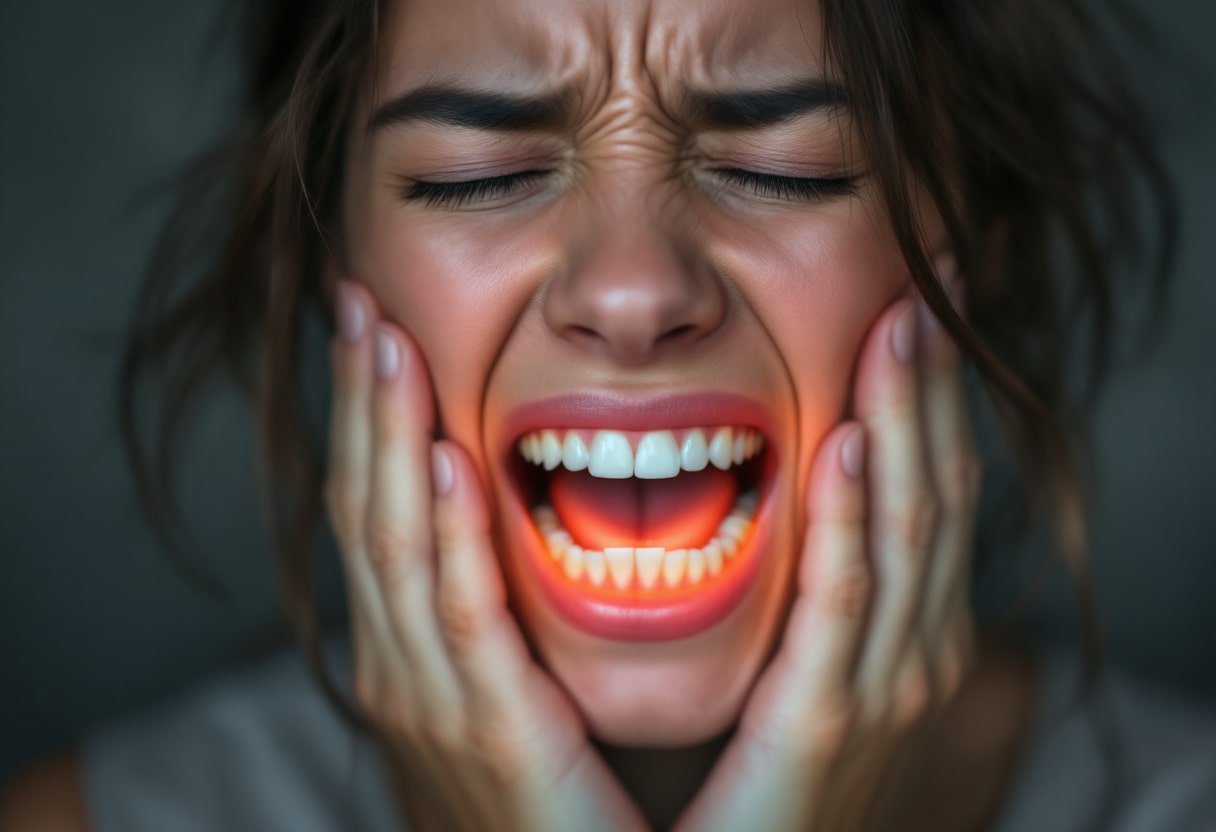
Stress and anxiety affect more than just your mental well-being—they can take a serious toll on your oral health. From grinding teeth at night to increased risk of gum disease, chronic stress can lead to long-term dental problems. Understanding the connection can help you take steps to protect your teeth and gums while improving overall health.
TL;DR: Quick Guide
- Stress and anxiety can cause teeth grinding, gum disease, and dry mouth.
- High stress levels may weaken the immune system, leading to more infections.
- Anxiety-related habits like nail-biting and jaw clenching can damage teeth.
- Managing stress through better oral care, diet, and relaxation techniques can help.
- Regular dental check-ups are essential for preventing stress-related oral issues.
1. Teeth Grinding and Jaw Clenching (Bruxism)
One of the most common oral health effects of stress is bruxism, which includes grinding your teeth or clenching your jaw, often during sleep.
- Can lead to tooth wear, fractures, and enamel erosion.
- May cause jaw pain, headaches, and temporomandibular joint (TMJ) disorders.
- Often happens unconsciously, especially in high-stress situations or during sleep.
What to Do:
- Use a nightguard to protect teeth from grinding.
- Practice jaw relaxation techniques before bed.
- Reduce caffeine and alcohol, which can increase muscle tension.
2. Gum Disease and Inflammation
Chronic stress can weaken the immune system, making it harder for the body to fight infections, including gum disease (gingivitis and periodontitis).
- May lead to swollen, bleeding gums and increased plaque buildup.
- Can cause gum recession and even tooth loss if left untreated.
- Stress-related behaviors like neglecting oral hygiene can make the problem worse.
What to Do:
- Brush and floss consistently, even during stressful periods.
- Use an antibacterial mouthwash to help prevent infections.
- Eat a balanced diet with vitamins C and D to support gum health.
3. Dry Mouth (Xerostomia)
Stress and anxiety can reduce saliva production, leading to dry mouth. Saliva plays a key role in washing away bacteria and protecting teeth.
- Increases risk of cavities and bad breath.
- Can cause difficulty swallowing and speaking.
- Some medications for anxiety and depression also contribute to dry mouth.
What to Do:
- Drink plenty of water throughout the day.
- Chew sugar-free gum to stimulate saliva flow.
- Avoid alcohol-based mouthwashes, which can worsen dryness.
4. Canker Sores and Mouth Ulcers
High stress levels can trigger painful canker sores inside the mouth. These small ulcers are not contagious but can be uncomfortable.
- Often appear after periods of high anxiety or immune system weakness.
- Can make eating, drinking, and brushing painful.
- Usually heal on their own but can take over a week to disappear.
What to Do:
- Rinse with a saltwater or baking soda solution to promote healing.
- Avoid spicy and acidic foods that can irritate sores.
- Use a soft-bristled toothbrush to prevent further irritation.
5. Bad Oral Habits Caused by Stress
Many people develop unconscious habits when stressed that can damage their teeth and gums.
- Nail-biting can cause chipped teeth and introduce bacteria into the mouth.
- Chewing on pens or other objects may lead to uneven tooth wear.
- Skipping brushing and flossing due to stress can increase plaque buildup.
What to Do:
- Keep nails trimmed to reduce nail-biting temptation.
- Use a stress ball or fidget toy instead of chewing on objects.
- Set reminders to maintain a consistent oral care routine.
Key Takeaways
- Stress and anxiety can cause teeth grinding, gum disease, dry mouth, and bad habits that harm oral health.
- A weakened immune system from stress makes gums more vulnerable to infection.
- Managing stress through hydration, relaxation techniques, and a proper oral care routine can help.
- Seeking professional dental care and using protective devices like nightguards can prevent long-term damage.
FAQs
1. Can stress really cause cavities?
Yes, stress can lead to dry mouth and poor oral hygiene habits, increasing the risk of cavities.
2. How do I stop grinding my teeth at night?
Wearing a nightguard, practicing jaw relaxation, and reducing caffeine before bed can help prevent grinding.
3. Why do I get mouth ulcers when I’m stressed?
Stress weakens the immune system, making the mouth more prone to canker sores and ulcers.
4. Does anxiety medication cause dry mouth?
Some medications for anxiety and depression can reduce saliva flow, leading to dry mouth. Drinking more water and chewing sugar-free gum can help.
5. Can stress make my gums bleed?
Yes, stress can contribute to gum inflammation and increased plaque, which can lead to bleeding gums. Maintaining good oral hygiene is essential.