
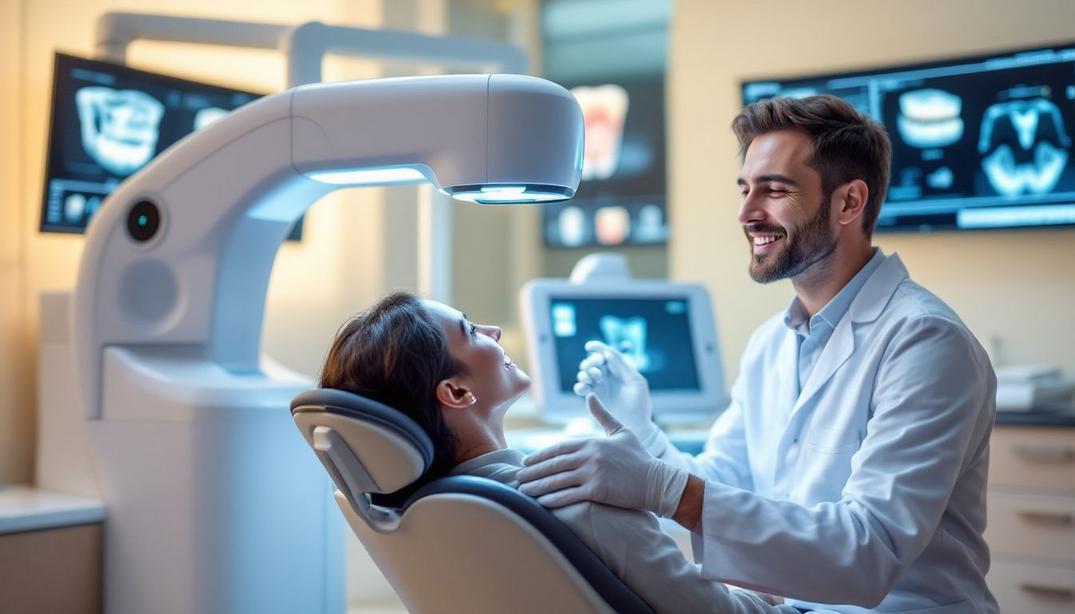
Dentistry has come a long way from traditional tools and techniques. Today, innovations in digital dentistry are revolutionizing patient care, making procedures faster, more accurate, and less invasive. From 3D printing to AI-assisted diagnostics, technology is improving outcomes and enhancing the patient experience. This blog delves into the most exciting advancements in digital dentistry and how they’re reshaping oral health care.
TLDR – Quick Guide
- Digital Scanning: Replaces messy impressions with fast, accurate 3D scans.
- 3D Printing: Speeds up the creation of crowns, dentures, and orthodontic devices.
- AI Diagnostics: Helps dentists detect cavities, gum disease, and even oral cancer early.
- Laser Dentistry: Reduces pain and recovery times for many procedures.
- Telehealth Services: Expands access to consultations and follow-up care.
Detailed Breakdown
1. Digital Scanning and CAD/CAM Technology
Traditional dental impressions are being replaced by digital scanning, which uses intraoral cameras to create precise 3D images of your teeth. Benefits include:
- Faster and More Comfortable: No more gagging on putty-like materials.
- Accuracy: Ensures perfectly fitting crowns, veneers, or aligners.
- Time Efficiency: Combined with CAD/CAM (computer-aided design/computer-aided manufacturing) technology, dentists can design and mill restorations in-office, often in one visit.
2. 3D Printing for Dental Applications
3D printing is revolutionizing dental labs and clinics by creating:
- Custom Restorations: Crowns, bridges, and dentures designed with precision.
- Orthodontic Aligners: Clear aligners produced quickly and cost-effectively.
- Surgical Guides: Tailored tools for implant placement and other procedures.
This technology reduces wait times for patients and improves the affordability of custom treatments.
3. AI-Powered Diagnostics
Artificial intelligence (AI) is transforming how dentists diagnose and treat oral health issues:
- Early Detection: AI software analyzes X-rays to identify cavities, gum disease, and oral cancers with remarkable accuracy.
- Personalized Treatment Plans: AI tools assist in creating tailored treatment strategies based on individual patient data.
- Streamlined Workflows: Improves efficiency by automating administrative and diagnostic tasks.
4. Laser Dentistry
Lasers are becoming a go-to tool for many dental procedures:
- Minimally Invasive: Reduces pain, swelling, and bleeding compared to traditional methods.
- Versatile Applications: Used for gum reshaping, cavity removal, and treating infections.
- Faster Healing: Promotes quicker recovery for soft tissue procedures.
5. Telehealth and Virtual Consultations
The rise of telehealth has extended to dental care, offering:
- Virtual Consultations: Patients can discuss concerns with their dentist without an office visit.
- Follow-Up Care: Convenient post-treatment check-ins via video call.
- Improved Access: Helps patients in remote or underserved areas connect with specialists.
Key Takeaways
- Innovations in digital dentistry are reshaping oral health care, making treatments faster, more precise, and less invasive.
- Tools like digital scanners, 3D printers, and AI improve accuracy and patient outcomes.
- Laser dentistry and telehealth enhance comfort and convenience for patients.
- These advancements not only benefit patients but also empower dental professionals to deliver top-notch care.
FAQs
1. What is digital dentistry?
Digital dentistry refers to the use of technology, such as 3D scanning, AI diagnostics, and CAD/CAM systems, to improve dental procedures and outcomes.
2. How does 3D printing benefit dental care?
3D printing allows dentists to create custom restorations, aligners, and surgical guides faster and more affordably, reducing wait times and improving precision.
3. Are AI tools replacing dentists?
No, AI enhances dental care by assisting dentists with diagnostics and treatment planning. It’s a tool to improve accuracy and efficiency, not a replacement for human expertise.
4. Is laser dentistry safe?
Yes, laser dentistry is safe and effective. It’s often less painful and invasive than traditional methods, making it a preferred option for many procedures.
5. How can I access telehealth dental services?
Many dental practices offer virtual consultations for initial assessments or follow-up care. Check with your dentist to see if telehealth is available.
Digital dentistry is transforming smiles and redefining patient care. As these innovations continue to evolve, they promise an even brighter future for oral health!